Your support changes lives. Thank you!
Learn More
While fitness can initially serve as a healthy and disciplined outlet for young men, the constant…
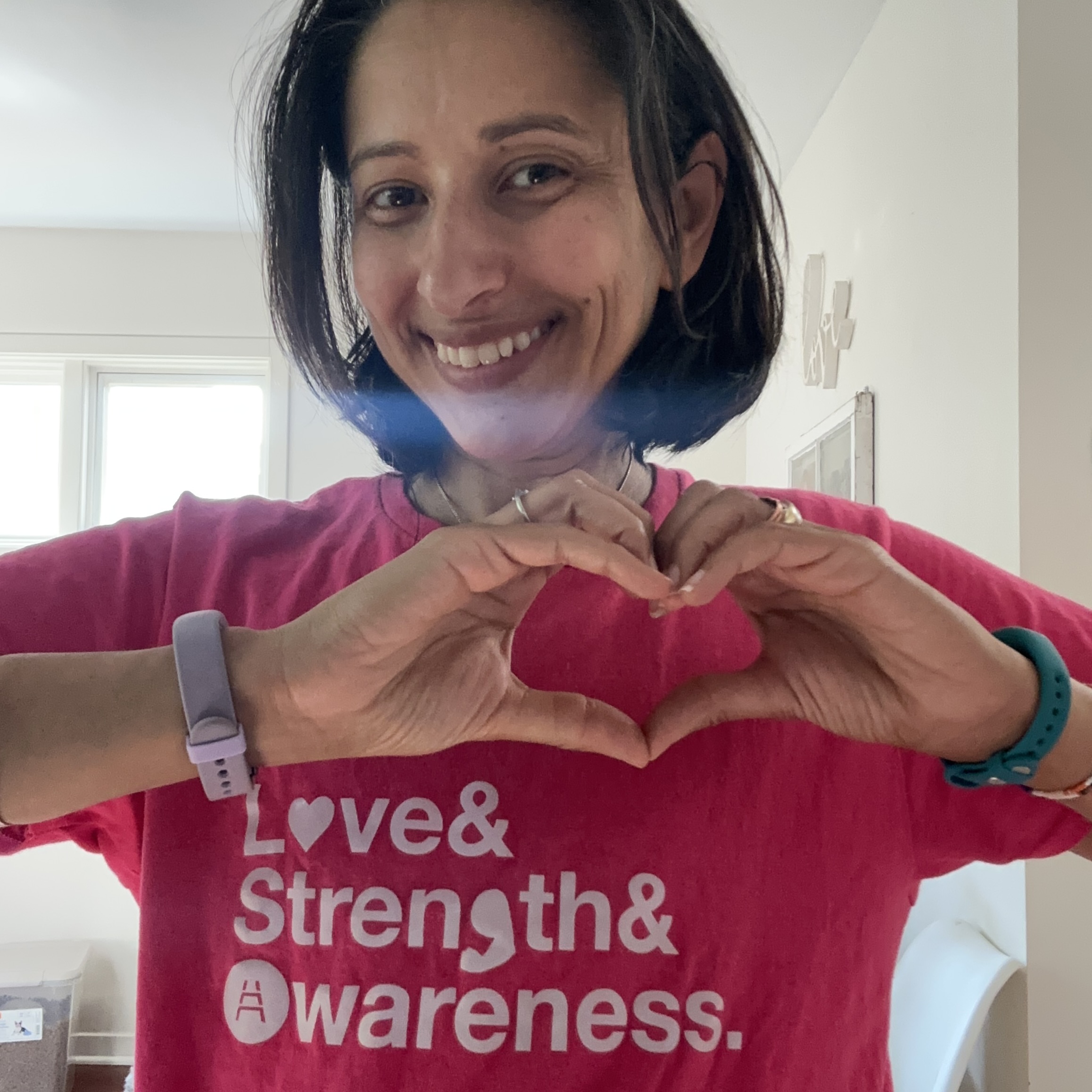
For as long as I can remember, I pulled out my hair. As a child, I didn’t have the language for what I was doing — only the deep knowing that something inside me felt unsettled. I would tug at my pubic hairs and later, my eyelashes and eyebrows, not even fully aware I was doing it. All I knew was that it brought some strange form of relief, even if only for a moment. But then came the shame.
That’s how trichotillomania began for me — quietly, in the background of my life. A body-focused repetitive behavior, or BFRB, that few people talked about, even fewer understood, and no one seemed to have answers for.
When I was a junior in high school, my father passed away after a four-year battle with leukemia. His death rocked me, and I didn’t know how to process the grief. My hair pulling escalated. The worst of it was I didn't realize in the moment that I was pulling. It was only in the aftermath when the damage was already done, and I would get upset with myself.
Decades passed and the hair pulling became a mirror to my unspoken pain — a coping mechanism for the unbearable.
In 2014, I became a mother. The postpartum fog rolled in hard and fast, and with it came a flood of emotions I couldn’t process. I was supposed to be happy. Instead, I felt like I was drowning in expectations, anxiety, and exhaustion. I felt like I was falling apart — and the hair pulling intensified.
One morning, I saw my reflection as I got out of bed and realized I had pulled out all my eyebrows. I ran to the bathroom to get my black eyebrow pencil and was stopped by my husband. I had hidden my trichotillomania from the man I promised to share my life "in sickness and health." He squinted and asked, "Aneela, where are your eyebrows?"
Caught, my brain froze and couldn't think of a lie, so I told the truth: "I pulled them out." In the coming weeks he took to the internet to understand what I was going through. With his love and support my trichotillomania trajectory shifted completely.
One evening, we were watching TV and I pulled and played with my hair in a trance. He noticed before I did and took my hand, and it was an "aha" moment! I looked at him and said, “I wish I had something to notify me!”
We couldn't find anything, so we built it! We developed a smart bracelet to get to that first step of behavior change: Awareness. It works by recognizing the hand motion of hair pulling, skin picking or nail biting and gently vibrate. It didn’t stop me — it supported me.
With the prototypes, I noticed when I was pulling — not to judge myself, but to become aware. It gave me a moment to choose differently. That small act of awareness became the seed of my healing.
And from that seed, something unexpected grew: a movement to help others heal. What started as a tool for my own recovery became HabitAware, to support others living with BFRBs. We set out to offer a lifeline — to innovate from lived experience, to make the invisible visible, and to show people they weren’t alone.
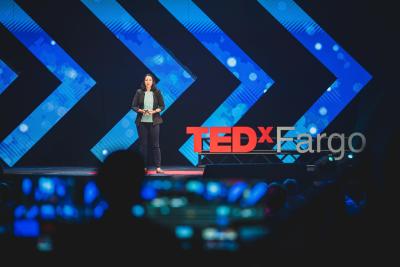
Creating HabitAware started my BFRB awareness advocacy, and I've given a TEDx Talk, "Overcoming Trichotillomania: The Power of Awareness" to raise awareness of these little known, yet very common debilitating behaviors. 1 in 20 people experience a BFRB and now over 200,000 people have learned about BFRBs and seen my story of recovery!
Still, recovery isn’t linear. Even with this tool and a growing understanding of my behavior, I had to work through layers of shame, trauma, and self-doubt. I started therapy. I learned about habit loops and how boredom, anxiety and depression fed into my pulling. I practiced self-compassion — slowly, awkwardly at first. I grieved not just the loss of my father, but also the years I spent hating a part of myself I didn’t understand.
One of the most powerful truths I’ve learned is this: awareness is power. When we can see our patterns, we can begin to change them. When we meet ourselves with curiosity instead of shame, we create space for healing. That truth became the foundation not just for my personal recovery, but for the community work I felt called to do.
In 2023, I started BFRB Changemakers, a nonprofit dedicated to centering lived experience and supporting the BFRB community in ways that a for-profit couldn’t. Through continuing education training programs for treatment professionals and peer-led support, we’re building a movement rooted in compassion, visibility, and empowerment. It’s about more than just stopping the behavior — it’s about understanding what it’s trying to tell us. It’s about creating spaces where healing isn’t just possible — it’s expected.
Today, I still live with anxiety and the echoes of depression. I still have moments where intrusive thoughts try to pull me under. I still miss my dad deeply. But I no longer carry those things alone. I have tools, community, and most importantly, self-awareness.
Trichotillomania once made me feel powerless. But now, I see it as the doorway that led me to deeper healing and purpose. And that’s why I share my story. It’s for the ones still in the thick of it, the ones hiding their pain, and the ones who haven’t yet found the words. You’re not alone. Healing is not only possible, but also yours to claim.
Discover more on Instagram: HabitAware and BFRB Changemakers.


Take Action
Find Help. Learn More. Support ADAA.