Your support changes lives. Thank you!
Learn More
Boost Search Results
Off

The current generation of teens and young adults (aged 14-24 years old) can find themselves facing various stressors at home, school and within their community. Issues like bullying and the mental, physical and mental impacts of school shootings as well as the COVID-19 pandemic have added additional mental health concerns and contributed to an increasing mental health crisis. At least half (50%) of mental health issues begin by age 14 and 75% of those same issues begin by age 24.1
This generation may seem more open to discussing mental health and breaking stigmas, but 67% of people aged 18-24 with anxiety or depression still do not seek treatment.1
ADAA provides effective resources and education to ensure that the younger generation is supported. Learn more about the different mental health resources and support options available in the community.
Please also share your story to help #breakthestigma around mental health.
- Understanding How Social Media Can Cause Anxiety
- Finding the Right Support
- Addressing the Sexual Violence Crisis on Campuses
Understanding the Mental Health Impact of Social Media Usage
 Teenagers and college students are spending more and more time on social media. Many studies in recent years have found that suicidal thoughts and depression have increased in teenagers, notably among those who use electronic devices for many hours a day. Suicide is actually the second leading cause of death among young adults.1 Additionally, sleeplessness, loneliness, worry, and dependence have risen.3
Here are suggestions for protecting your mental health while using social media:
- Limit your time on social media platforms. Apple and Google have settings to help you do this automatically on your phone.
- Consider what sites and profiles you visit; leave or unfollow a profile/page/site if it is making you feel worse.
- Before you post something about yourself or someone else, consider if you would make this comment in an in-person setting. Remember that what you post will be very hard to take back or remove.
- Remember that what people post, or what you see, may not be honest or real presentations of their experiences or lives.
- Tell an adult you trust — a parent, teacher, or school counselor — immediately if a friend is posting content that worries you or suggests that they may be in a serious situation.
Check out ADAA's Infographic: Tips to Help Teens Manage Social Media Anxiety
The National Alliance on Mental Illness (NAMI) also provides some tips on how best to use social media.4
Finding the Right Support
 Teens and young adults are often more open to discussing mental health concerns and seek resources and welcoming communities to join that encourage conversations around mental health and wellness. Support can come from caring and engaging family members, friends, or school counselors.
Support groups
- Join ADAA's Free Online Peer to Peer English Community.
- Join ADAA Grupo de Apoyo en Línea.
- Other national support groups: Click here.
Treatment Resources
- Visit ADAA’s Treatment Help webpage
- Visit ADAA's Find-Your-Therapist Directory for mental health providers that are ADAA professional members.
Additional ADAA Resources
Addressing the Campus Sexual Violence Crisis
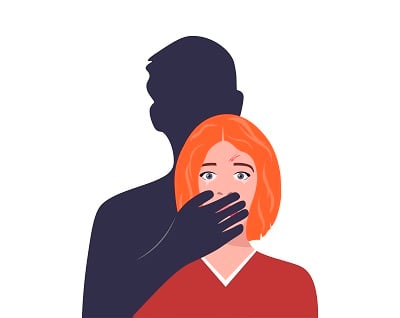 Sexual assault is prevalent on college campuses but oftentimes not reported to law enforcement. Sexual violence affects millions of Americans, but the majority of victims are those between 12 to 34 years old.6 Following sexual violence, victims can experience long-term mental health effects.
Resources for victims of sexual assault:
- The National Sexual Assault Hotline is confidential and available 24/7.
- Phone: 800.656.4673
- Online chat: online.rainn.org.
- Ayuda en Español.
- End Rape on Campus (EROC) helps survivors of campus sexual assault by providing resources, education, and policy reform.
- National Sexual Violence Resource Center (NSVRC).
- Suicide Prevention Hotline: 800.273.8255.
- National Domestic Violence Hotline: 800.799.7233.
- National Resources for Survivors and Loved Ones by Demographic (RAINN.org) provides a list of resources and information.
- Teenline (call, email or text for support)
Additional ADAA Resources for Teens and College Students
To learn more in-depth about youth & young adults and mental health, check out ADAA's Patient Guide to Mood and Anxiety Disorders.
- How to Identify Signs of Depression and Talk of Suicide in Teens, recorded webinar by ADAA member Ryan Brown, MD
- Social Anxiety in Teens & How to Treat It, ADAA On-Demand Webinar with ADAA member Jacqueline Sperling, PhD
- Depression Among College Students, ADAA On-Demand webinar with JED Foundation
- Engaging Children and Teens in Telemental Health, ADAA On-Demand webinar with ADAA Member Mary Alvord, PhD
- Created for students, "Glass People" illustrates college-age anxiety and the great value of finding professional help. The filmmakers, John Berardo and Brian Frager are students at the USC School of Cinematic Arts.
- Is AI a Friend or a Risk? What Adults and Kids Should Know, blog post by ADAA member Mary Alvord, PhD
- How to Navigate the Transition to a New Therapist, blog post by ADAA Member Debra Kissen, PhD, MHSA
- Tips to Combat the "What If's" of OCD During Pregnancy and After Birth, blog post by ADAA Member Marina Gershkovich, PhD
- 5 Tips for Navigating the Stress and Anxiety in College, blog post by ADAA Member Kathariya Mokrue, PhD.
- 7 Ways to Seek Therapy Without Breaking the Bank, blog post by ADAA Member Dominique Apollon, MEd, LCPC, NCC.
- Depression Among College Students, blog post written by Erica Riba and Diana Cusumano, JED Foundation.
- Going Away to College Can Lead to an Uptick in OCD Distress, Stephanie Woodrow, LCPC, NCC
- University of Fear and Anxiety: How to Pass your Freshman Year of College, blog post by ADAA Member Ken Goodman, LCSW.
ADAA Member Self-Help Books and Media
- Artificial intelligence and adolescent well-being, American Psychological Association, 2025
- Kids and Teens Need Resilience, Pew, Mary Alvord, PhD,
- Conquer Negative Thinking for Teens: A Workbook to Break the Nine Thought Habits That Are Holding You Back by ADAA Member Mary Alvord, PhD
- Find Your Fierce: How to Put Social Anxiety in Its Place by ADAA Member Jacqueline Sperling, PhD
- Most College Students Suffer From Anxiety, It’s Time To Talk About It by ADAA Member Anne Marie Albano, PhD, ABPP
- Parenting a Troubled Teen: Manage Conflict and Deal with Intense Emotions Using Acceptance and Commitment Therapy by ADAA Member Patricia E. Zurita Ona, PsyD
- Rewire Your Anxious Brain for Teens: Using CBT, Neuroscience, and Mindfulness to Help You End Anxiety, Panic, and Worry by ADAA Members Debra Kissen, PhD, and Micah Ioffe, PhD
- The Anxiety Survival Guide for Teens: CBT Skills to Overcome Fear, Worry, and Panic by ADAA Member Jennifer Shannon, MA, LMFT
- The OCD Workbook for Teens: Mindfulness and CBT Skills to Help You Overcome Unwanted Thoughts and Compulsions by ADAA Member Jon Hershfield, MFT
- The Worry Workbook for Teens: Effective CBT Strategies to Break the Cycle of Chronic Worry and Anxiety by ADAA Member Jamie A. Micco, PhD
- Your Amazing Teen Brain: CBT and Neuroscience Skills to Stress Less, Balance Emotions, and Strengthen Your Growing Mind, by ADAA Member Elisa Nebolsine, LCSW
Personal Stories from the Community:
- Be Elite, May 2022
- Changing the Future of Mental Health and Athletics, 2021
- You're the Real Badass, 2021
- Living with 2020 Vision, 2021
Explore External Mental Health Resources
Access professional support, crisis services, and tools designed to help manage anxiety, depression, and related mental health conditions. While ADAA believes these sources provide valuable information, inclusion here does not represent a formal endorsement.
- Active Minds
- Mindfulness for Teens
- Stop Bullying
- Strong4Life
- Teenline (call, email or text for support)
- Teens Against Bullying Project YES (Youth Empowerment & Support) offers free, anonymous, brief, self-guided mental health tools for teens. YES empowers teens to learn new ways of dealing with stress while helping others do the same. - Jenna Yejin Sung, ADAA member
References:
- Active Minds. (2022) Statistics. https://www.activeminds.org/about-mental-health/statistics/.
- National Alliance on Mental Illness (NAMI). (2021). Warning Signs and Symptoms. NAMI.org. https://www.nami.org/About-Mental-Illness/Warning-Signs-and-Symptoms.
- Harvard Graduate School of Education (Harvard GSE). (2017). Social Media and Teen Anxiety. GSE.harvard.edu. https://www.gse.harvard.edu/news/uk/17/12/social-media-and-teen-anxiety.
- National Alliance on Mental Illness (NAMI). (2021). Social Media and Mental Health; Suggestions For Protecting Your Mental Health. NAMI.org. https://www.nami.org/Your-Journey/Kids-Teens-and-Young-Adults/Teens/Social-Media-and-Mental-Health.f
- The National Center for Biotechnology Information (NCBI). (2020, September). Effects of COVID-19 on College Students’ Mental Health in the United States: Interview Survey Study. NCBI.gov. https://www.ncbi.nlm.nih.gov/pmc/articles/PMC7473764/.
- Rape, Abuse & Incest National Network (RAINN). (n.d.) Victims of Sexual Violence: Statistics. RAINN.org. https://www.rainn.org/statistics/victims-sexual-violence.