Your support changes lives. Thank you!
Learn More
05.20.2026
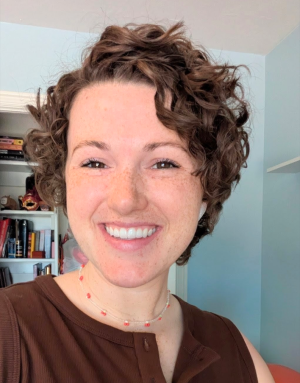
My therapist asked me in March 2023 (I hadn’t heard of it). She said that the symptoms I had been experiencing made her think I may have something called Premenstrual Dysphoric Disorder (PMDD). She suggested that it might be a good idea to ask my medical provider about it and get an official diagnosis.
I learned that PMDD is a much more severe form of premenstrual syndrome (PMS) that causes physical and emotional symptoms every menstrual cycle in the week or two leading up to menstruation.
PMDD symptoms include:
Unfortunately, I experience each of these symptoms for about 10-14 days every month before I menstruate. Yet, I never put two and two together – I didn’t see the monthly pattern until my therapist pointed it out and it made me second guess myself. I had learned that females act “crazy” or hormonal on their periods, but that wasn’t when my emotions were the strongest. Was it all in my head?
Some comments I had made to my therapist that caused her to ask me about PMDD:
- “It’s strange that only one of my romantic relationships lasted longer than 3 weeks.”
- “I just realized that I’ve never scheduled a hair appointment. I frequently get annoyed with my hair touching my face or neck and go straight to a salon to chop it.” (I’ve had a pixie cut on and off for the past 10 years.)
- “I get so angry and agitated for no reason. It’s not all the time but there’s times when I can’t control my emotions. It’s so weird.”
- “I’ve noticed that there’s a time each month I feel like a completely different person. I literally don’t even recognize myself. I’m super tired but can’t sleep, I get irritated so easily, my moods are all over the place, I want to quit my job, and get a divorce, I want to cut ties with my family and anyone I’ve ever known and move to a different country. I hate everything about my life and feel like there’s no hope for me. I feel like a crazy person.”
The thing is, I have an amazing life. I have the most thoughtful and caring husband, a great job, a loving family, the best of friends, I travel a lot and have fun hobbies, but each month that all blurs out of view and I spiral. I can only think of all the “terrible” things in my life, and I fall into a deep despair. I have no energy or desire to do anything, and I become a shell of myself, making me constantly ask myself, “Why does this happen to me??”.
I had a severe PMDD crash out in August 2023 while on vacation that finally pushed me to seek a diagnosis. I did some research and brought a list of my symptoms before seeing the doctor, but during the appointment I was dismissed because I "seemed healthy." It was disheartening to hear that when I didn’t feel healthy or okay in the slightest. They prescribed iron pills for my iron deficiency and sent me on my way. While the supplements briefly offered a glimmer of hope by lessening my fatigue, the relief didn't last.
Over the course of the next year, my symptoms worsened significantly. But I had been tracking my cycle and symptoms for months and was ready to see a women's health specialist. She thoroughly reviewed my notes, asked me lots of questions, and officially diagnosed me with Premenstrual Dysphoric Disorder.
Finally! Receiving the diagnosis felt so freeing and validating. I wasn’t crazy – it wasn’t just in my head. I was struggling and someone finally took notice.
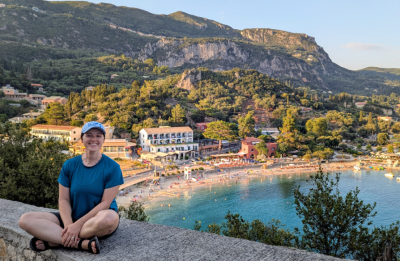
Treatment options include hormonal birth control, SSRIs, or dietary and lifestyle changes. My doctor suggested that I start with dietary changes, more physical movement, and practicing stress management.
It’s been almost two years since my diagnosis and putting into practice the lifestyle changes my provider gave, and my PMDD symptoms are doing much better. The symptoms aren’t completely gone, but they aren’t nearly as bad as they once were. Life is actually kind of manageable.
I’m extremely grateful for ADAA because I don’t know if I would have gone to therapy if it wasn’t for them and the ADAA community. I had one bad therapy experience in my early 20s and refused to go back. But when I read through the personal stories from the ADAA community and saw how therapy had made a huge difference in the lives of so many people just like me, I decided to try again. That therapist changed my life that day when she asked me, “Have you ever heard of PMDD?”.
I’ve debated sharing my story for a while because it felt too vulnerable, but I’m ready now. I hope my story can bring hope to someone who doesn’t feel like themselves each month. There is light at the end of the PMDD tunnel.
Take Action
Find Help. Learn More. Support ADAA.