Your support changes lives. Thank you!
Learn More
10.27.2025
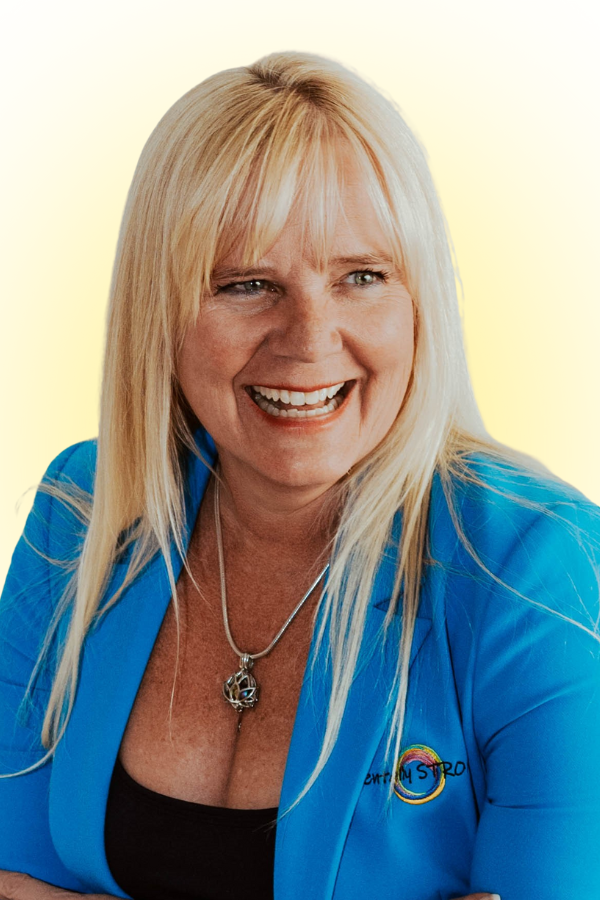
I’ve worked in mental health for over 20 years as a psychiatric nurse practitioner, educator, and clinic founder. But no degree or clinical training could prepare me for the devastating personal losses I would endure.
In 2005, my son Johnny died in a tragic drowning accident. It shattered me. I was still trying to heal when we received another blow: my son Reggie was diagnosed with DRPLA (Dentatorubral–pallidoluysian atrophy), a rare genetic neurodegenerative disorder. Fighting his decline over the next few years was heartbreaking and he passed away in 2016.
Then in 2021, my daughter Miah, my vibrant, deeply loved daughter, died unexpectedly in her sleep of the same disorder. The morning I found her is forever burned into my memory. The trauma of that moment still lives in my nervous system.
Three children. Gone.
Through all of this, I was still a mother to four other children, a provider, and a professional. I had patients to care for, a clinic to run, and a community that needed help navigating their own mental health struggles.
I was functioning, but far from okay.
In the mental health field, we often talk in terms of diagnoses: PTSD, depression, anxiety, bipolar disorder. But what happens when your grief is compounded by trauma, and your trauma keeps being reactivated by more loss?
That was my reality. It wasn’t just sadness, it was chaos, crisis, fear, and spiritual confusion. I felt paralyzed some days. Numb on others. Angry. Exhausted. Ashamed.
As a psychiatric provider, I recognized these symptoms in others, but I didn’t see a framework that truly helped people process this layered, complex emotional pain.
That’s why I created the Mentally STRONG Method, at first not for others, but for myself. I needed a lifeline. Think. Organize. Choose.
This method doesn’t ask you to bypass your emotions. It asks you to face them, and to separate the grief from the trauma, so you can actually process each.
You’ll still hurt, but you’ll stop drowning.
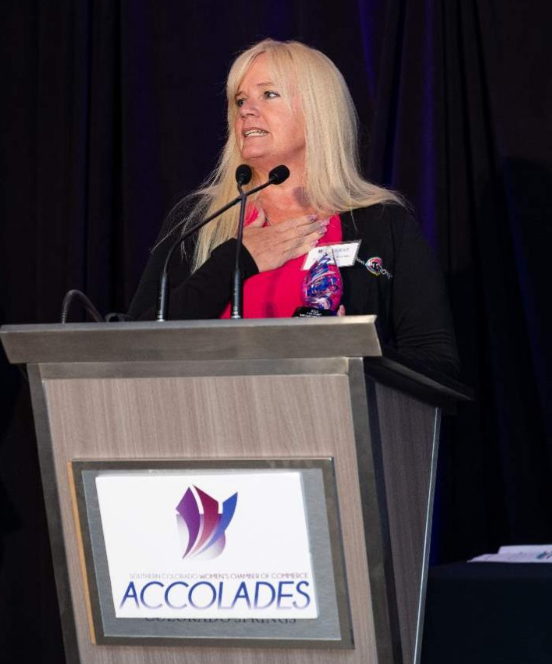
The process of developing the Mentally STRONG Method became my greatest support, not as a clinical model at first, but as a framework and a safety net for myself. It gave me structure in a time of chaos: a way to process my thoughts, face overwhelming emotions, and still make intentional choices.
What began as a way to keep myself afloat is now a full curriculum. Today, we teach the Mentally STRONG Method in our outpatient clinic, online academy, intensive programs, and through free YouTube videos.
I’ve walked alongside thousands of people who are navigating unbearable pain. This method is not about quick fixes. It’s about building mental strength through making one intentional choice at a time.
Alongside creating Mentally STRONG, I also explored a variety of treatments and approaches with mixed results. I tried meditation, Reiki, and other energy-based practices.
One of the most effective therapies for me personally was brainspotting. It allowed me to access and release stored trauma. Brainspotting helped me connect to emotions I couldn’t always verbalize and work through them at a deeper level.
Healing is never a solo journey. That’s why organizations like the Anxiety and Depression Association of America (ADAA) are essential. They provide evidence-based resources, connect people to care, and reduce stigma through advocacy and education.
At Mentally STRONG, we share that mission. Our clinic and online platform offer accessible tools for emotional self-management. I wanted to share my story of survival with ADAA to show that even mental health practitioners need a support network and to share how my Mentally STRONG Method saved my life. I want to share it with others who are experiencing mental health struggles as a result of loss and grief.
If there’s one message I want to leave with readers, it’s this: You are not broken.
Pain is part of the human experience, but so is joy. The two can coexist. You don’t have to wait until everything feels okay to begin your healing journey.
Mental strength isn’t about perfection. It’s about intention. It’s about choosing to keep going, even with a heavy heart. Some days, that choice is enough. And some days, that choice will save you.
Learn more about the Mentally STRONG method.


Take Action
Find Help. Learn More. Support ADAA.