About ADAA
The Anxiety and Depression Association of America (ADAA) works to prevent, treat, and cure anxiety disorders and depression.
ADAA is an international nonprofit organization dedicated to the prevention, treatment, and cure of anxiety, depression, OCD, PTSD, and co-occurring disorders through the alignment of science, treatment, and education.
ADAA's Mission + −
ADAA’s promise is to find new treatments and one day prevent and cure anxiety, depression, OCD, PTSD, and co-occurring disorders. ADAA improves the quality of life for those who suffer through evidence-based educational resources, professional practice, and scientific research. ADAA brings together mental health professionals who lend their time and expertise to improve patient care by promoting the implementation of best practices and treatments across disciplines through continuing education and training and accelerating dissemination of research into practice.
ADAA's Diversity, Equity, and Inclusion Statement and Resources + −
ADAA, as a membership organization, values the inclusion of diverse groups from a variety of professional and educational backgrounds, and honors their views across all areas of the organization. We recognize that when people across identity groups are regarded and engaged as full participants in leadership, decision making and programs, we are able to provide resources and programs that best meet the needs of our members and the public. As such, ADAA leadership embraces diversity, equity and inclusion (DEI) as a core value for all members, staff, and volunteers. We are committed to fostering an environment that supports cultural equity and models diversity and inclusion. ADAA is committed to practicing DEI principles to ensure that everyone feels safe, seen, valued, respected, and welcome. ADAA's Diversity, Equity, and Inclusion Resources
ADAA is People First + −
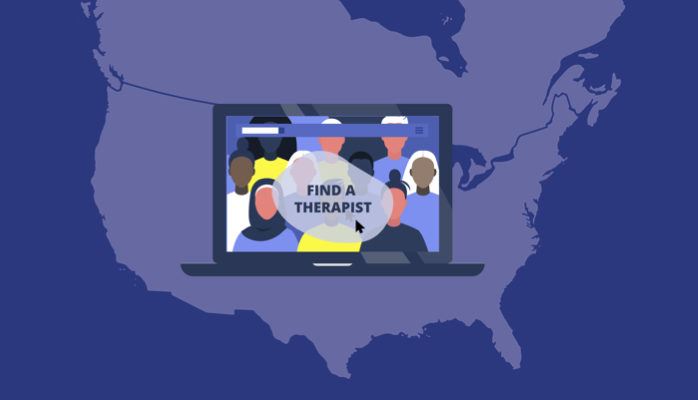
Our passion is helping people understand the disorders, find treatment, and recover. ADAA's website offers expert reviewed content highlighting how to recognize signs and symptoms of anxiety disorders and depression as well as treatment options and access to a Find-a-Therapist platform. ADAA encourages people living with anxiety, depressive, obsessive-compulsive, and trauma-related disorders to share their stories about their struggles, how they cope and triumph. This helps decrease stigma, and makes one feel less alone. ADAA embraces diversity and inclusiveness as a core value. We make a difference in the lives of people with anxiety disorders and depression through the alignment of science, treatment, and education.
ADAA is Evidence-Based + −
ADAA’s programs and content are grounded strictly in treatments derived from scientifically accepted protocols of testing, trials, and peer review. Our international membership welcomes the full range of mental health professionals and students working on anxiety disorders, depression and co-occurring disorders. This ensures that we bring the latest in scientific advancements to our professional and public educational content and outreach. ADAA’s 1,500 professional mental health members (many of whom contribute blog posts, host webinars, review website content and more) together with the broader scientific community collaborate to share current research and treatment. ADAA supports mental health professionals who provide treatment and those who conduct research and invests in the future by encouraging students and trainees. ADAA also connects people to our member health care professionals who provide treatment and support and educates people about all scientifically supported treatments so they can make informed decisions to best meet their individual needs.
ADAA Works to Break Stigma + −
Through education, awareness raising, outreach and special programs, ADAA is focused on reducing the stigma surrounding anxiety disorders, depression, OCD, PTSD, and co-occurring disorders. We actively seek partnerships and alliances to increase our reach and impact with mental health professionals and the public alike.
ADAA is Evolving + −
We started more than four decades ago as The Phobia Society of America. We have incorporated scientific knowledge and understanding. We have expanded to include anxiety and mood disorders, depression, OCD, and PTSD. We have adapted to challenges in economics, business, leadership, and the digital world. Our commitment to diversity and inclusivity brings together clinicians and researchers with diverse backgrounds in medicine, psychology, social work, counseling, nursing, neuroscience, genetics, epidemiology, and other disciplines to advance science and treatment. We engage those who suffer from these disorders to work together toward our goals.
About ADAA
News & Media
ADAA Impact Report and Strategic Plan
Impact Report
Strategic Plan
ADAA’s roadmap to triumph over anxiety and depression through science, treatment and education.