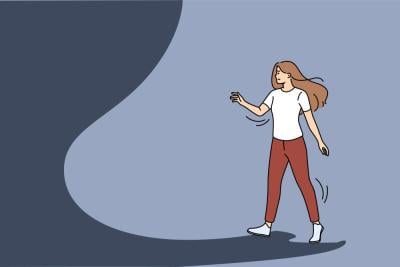
Panic Disorder

by Cass Camack
I had been battling depression, anxiety, MDD (major depressive disorder),panic disorder, and trichotillomania for years, but I had kept it hidden, pretending to be okay and convincing myself that I could power through it. Today, I’m learning to live with my mental health challenges, not as a burden but as a part of me.
Check out our ADAA members' new books: Panic Disorder and Agoraphobia (Vol 55) - Advances in Psychotherapy Evidence-Based Practice, The Anxiety Busting Workbook for Kids: Fun CBT Activities to Squash Your Fears and Worries, and This is What Anxiety Looks Like: Relatable Stories, Targeted Solutions, and CBT Skills for Lasting Relief - In Conversation with ADAA Member Authors.
Panic attacks, particularly when you don’t know what they are or where they are coming from, can be incredibly frightening. ADAA member Simon Rego, PsyD, ABPP, A-CBT understands how scary it can be for someone who suffers from panic disorder. Check out this blog to learn more about panic attacks, panic disorders, and how to treat them.
It seems as though anxiety picks the worst times to torment us. But it’s important to recognize that the content of worries, panic, or OCD changes as our lives change.
by Mikayla Tani
I was terrified that the next attack could come at any moment—while driving, during a shift, or even while spending time with family and friends. The fear of having another attack was enough to keep me on edge constantly, which only fed the cycle of panic and anxiety. I couldn’t keep living this way.
by Lily Christophersen
Living with Emetophobia is a constant challenge. Nausea plagues me relentlessly, feeding into a vicious cycle of anxiety. Despite the hardships, I hold onto hope for progress.
by Lauren Marcinek
Anxiety can come on randomly at any time—it’s normal! I’ve learned that grounding is the best way to bring yourself back down from an attack. Here is one technique I’ve learned which uses the five senses.
by Kellene Diana
Anxiety and depression took over and consumed every aspect of life, I didn’t shower for weeks because I was so pre-occupied with fear and panic!
Fear is one of the six basic human emotions, with a clear evolutionary purpose: to help us respond to danger and survive. In Exposure Therapy, providers create a safe environment to intentionally “expose” their clients to objects, activities, or situations they fear.