In this section, you’ll find treatment help, resources for support and tips for helping friends and relatives.
Explore Comprehensive Treatment Options for Anxiety and Depression
Discover a wide range of evidence-based treatments for anxiety disorders, depression, and related mental health conditions. Learn how to choose the right therapist, explore therapy types like CBT or medication options, and access trustworthy resources under our Treatment section.
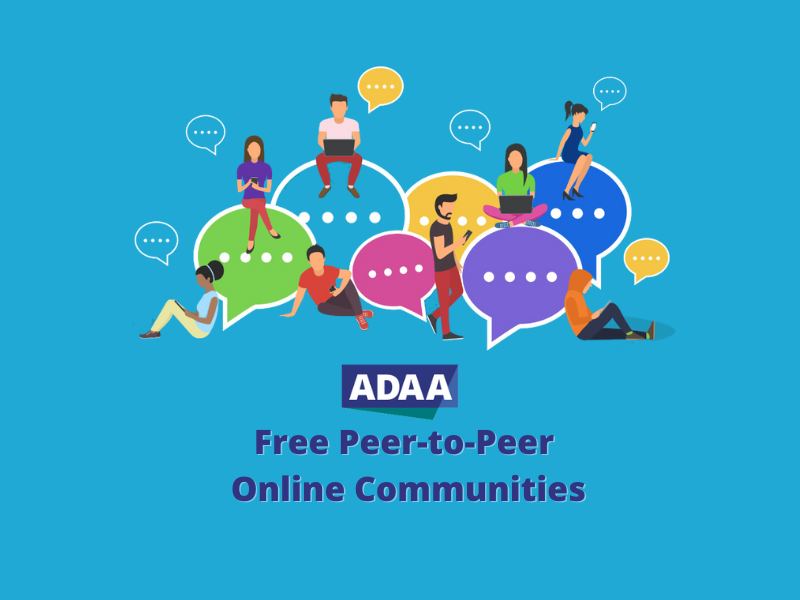
Connect Through ADAA’s Free Peer-to-Peer Support Communities
If you're feeling isolated or overwhelmed, you’re not alone. Visit our Getting Support page to join ADAA’s free, peer-to-peer online support groups and connect with others who understand your experience with anxiety and depression.
Find Mental Health Information by Age, Identity, or Demographic
Search our extensive library of expert content tailored to specific age groups and diverse populations, including children, teens, adults, seniors, veterans, and more. Get accurate, actionable information that meets your unique needs.
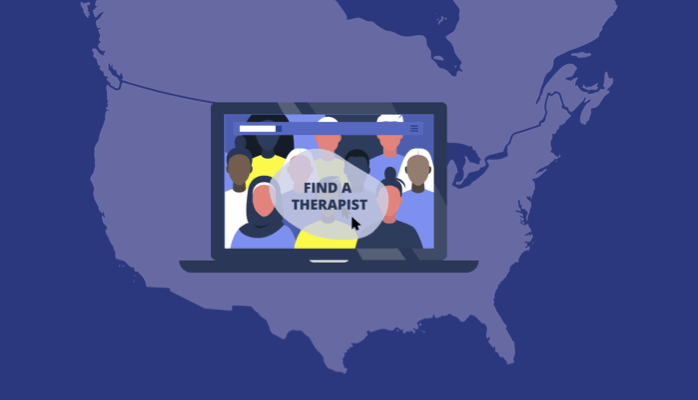
Find a Therapist Near You
Explore ADAA's Find Your Therapist directory of ADAA member experts in the field of anxiety, depression and related disorders.
Browse Expert-Recommended Self-Help Resources
Access a curated list of self-help books and guides on anxiety, depression, OCD, PTSD, and related conditions—written by ADAA member experts in the field of mental health. Resources are available for both children and adults.
Understand Social Security Disability Benefits for Mental Health Conditions
Find out how to apply for Social Security Disability benefits if you are living with anxiety disorders, depression, or other qualifying mental health diagnoses. Get step-by-step guidance to navigate the process more efficiently.
Discover Webinars, Blogs, and Podcasts on Anxiety, Depression, and Mental Health
Explore ADAA’s extensive library of free mental health resources, including live and on-demand webinars, animated videos, expert-written blogs, and informative podcasts. Learn practical coping strategies, evidence-based treatments, and the latest research on anxiety, depression, and related disorders. Join upcoming live webinars, stream recorded sessions anytime, read in-depth articles from mental health professionals, and listen to engaging podcasts for tips, insights, and support. Perfect for anyone seeking reliable, expert guidance on managing anxiety, depression, and overall mental wellness.
Sign up for Triumph, ADAA's monthly e-newsletter.